Environment Directorate of Skikda Province
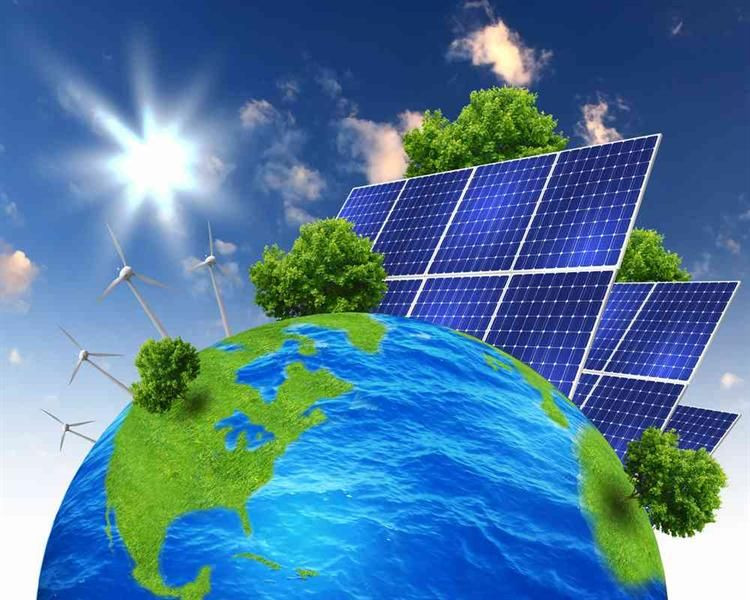
Solar energy is one of the most prominent renewable energy sources that has witnessed remarkable development in recent decades. This technology relies on converting sunlight into electrical energy using various techniques, contributing to meeting global energy needs in sustainable and environmentally friendly ways.
There are many technologies used in generating solar energy, the most prominent of which are:
Photovoltaic cells:
This technology relies on using cells made of semiconductor materials, such as silicon, to convert sunlight directly into electricity. When these cells are exposed to light, electrons are excited, resulting in an electric current. This technology is used in a wide range of applications, from small devices like calculators to large power plants.
Concentrated Solar Power (CSP) systems:
These systems use mirrors or lenses to focus sunlight onto a specific point, heating a heat transfer fluid. This fluid is then used to produce steam, which drives turbines to generate electricity. This technology is suitable for large power plants and offers the advantage of storing thermal energy for use during periods of low sunlight.
Solar energy systems consist of several basic components:
Solar panels: It consists of photovoltaic cells that convert sunlight into direct current electricity.
Inverter: The direct current produced by the panels is converted into alternating current that can be used in electrical networks or household appliances.
Charge controller: It is used in systems that contain batteries, where it regulates the charging and discharging process of the batteries to protect them and prolong their lifespan.
Batteries: It is used to store electrical energy for use during periods of no sunshine or in emergencies.
Support structures: They are used to mount solar panels at a suitable angle and direction to ensure maximum benefit from sunlight.
Solar energy systems vary depending on how they are connected to the electrical grid and used; some of the most prominent of these systems are:
Network-connected (On-Grid) systems:
These systems are directly connected to the local electricity grid. When electricity is produced in excess, it is exported to the grid, and when needed, electricity can be drawn from the grid. These systems do not require batteries for storage, which reduces their cost.
Off-grid systems:
They are used in remote areas or where there is no electricity grid. These systems rely on batteries to store energy and provide it when needed.
Hybrid systems:
It combines the advantages of both grid-connected and off-grid systems, being connected to the electrical grid and also containing batteries for storage. These systems offer greater flexibility in energy management.
Solar energy has numerous uses in various fields, including:
Generating electricity for homes and commercial buildings: Solar systems can be installed on building rooftops to provide a large part of their electricity needs.
Water pumping: Solar energy is used to power water pumps for irrigation and drinking, especially in remote areas.
Street lighting: Solar lighting systems are used to illuminate streets and roads, reducing traditional electricity consumption.
Water desalination: Solar energy is used to power desalination plants, especially in areas suffering from a shortage of fresh water.
Benefits:
A renewable and clean source: Solar energy does not produce any harmful emissions, which contributes to environmental protection.
Reducing electricity costs: After the initial investment, solar systems can significantly reduce electricity bills.
Low maintenance: Solar panels require minimal maintenance, such as periodic cleaning and inspection.
Challenges:
Initial cost: The initial installation cost may be high, but it decreases over time and with technological advancements.
Its dependence on weather conditions: The efficiency of solar systems is affected by the amount of sunlight available, making them less effective on cloudy or rainy days.
The need for large spaces: Solar systems require large areas for panel installation, especially in large projects.
With continued advancements in solar energy technologies and decreasing costs, they are expected to play an increasingly important role in the global energy mix. Current research focuses on improving the efficiency of solar cells, developing energy storage technologies, and integrating solar systems into building and urban infrastructure.
Solar energy is a promising option for meeting growing energy needs in sustainable and environmentally friendly ways.